Kitchen Drains Kept Flowing on Schedule
Grease Trap Pumping & Cleaning in Belton for restaurants, schools, and gas stations
Commercial kitchens and food service facilities in Belton, Temple and Killeen depend on grease interceptors to separate fats, oils and grease from wastewater before it enters the sewer system, preventing blockages and keeping the facility compliant with local regulations. When a grease trap fills with floating solids and cooled grease, the separation process stops working, drains slow, and the kitchen faces shutdowns or violations. Heart of Texas Pumping LLC provides grease trap truck pumping and cleaning for commercial properties in Belton, Temple, Killeen and Central Texas, including schools, food service kitchens and gas stations, removing grease and solids from interceptors on a set schedule so drains keep flowing and facilities stay compliant.
The truck crew opens the trap or interceptor, pumps out the grease, floating solids and wastewater, and cleans the walls and baffles so the unit can separate properly again. Scheduled service is set around the facility's hours so kitchens and campuses are not shut down during the job, and the crew leaves the site clean without grease spills or odor lingering in the building. The frequency of pumping depends on the size of the trap, the volume of grease produced, and the local code requirements, and the crew recommends a schedule based on the facility's usage rather than waiting for the trap to fail. Regular pumping prevents emergency calls, keeps the health inspector satisfied, and extends the life of the interceptor by reducing buildup that corrodes baffles and walls.
Schedule recurring grease trap service to maintain compliance and prevent drain backups.
What Cleaning Accomplishes Beyond Pumping
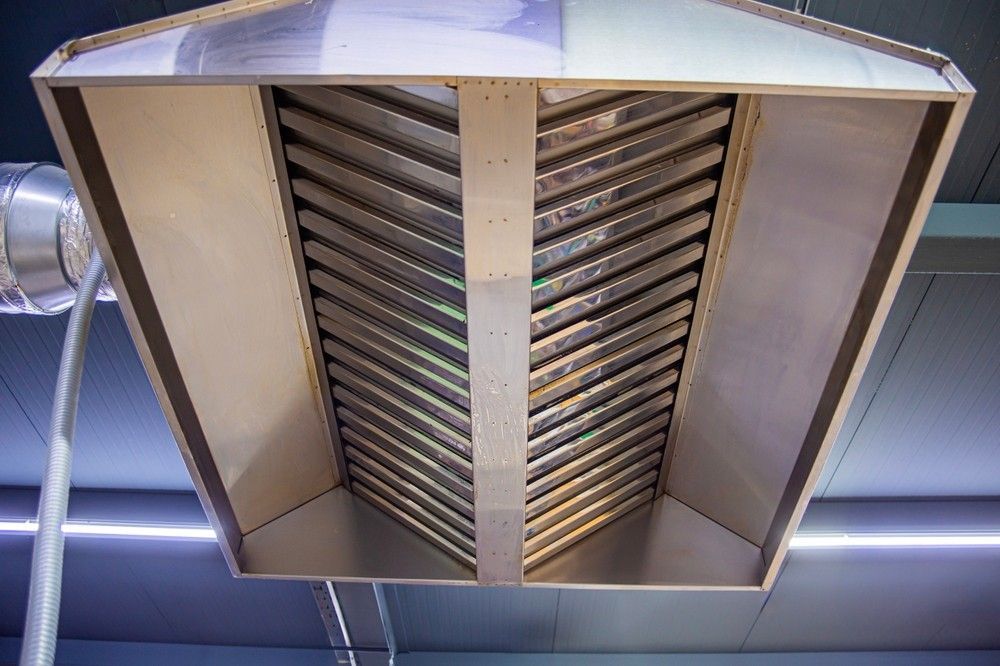
Pumping removes the liquid and floating grease, but cleaning scrapes the walls, baffles and bottom of the trap to remove hardened grease and sludge that pumping alone cannot lift. The baffles are wiped down so they continue to direct flow and trap solids, and the outlet is cleared so wastewater exits freely. A trap that is pumped but not cleaned will fill faster and fail sooner, because the residue left behind takes up capacity and accelerates buildup. The crew inspects the trap while it is open, checking for cracks, corrosion, or damage that could cause leaks or compromise separation.
After cleaning, the trap drains faster, the kitchen sinks empty without backing up, and the odor that signals a full trap disappears. The interceptor is restored to its designed capacity, and the facility's compliance documentation is updated to reflect the service date. The crew hauls the grease and solids to a licensed disposal facility, so the waste is handled according to state and local regulations.
Grease trap service does not address plumbing problems upstream of the trap, such as clogged drain lines in the kitchen or damaged pipes that leak before reaching the interceptor. The service maintains the trap itself, and the crew notes any issues observed during the visit so the facility manager can schedule plumbing repair separately if needed.
Service Questions for Facility Managers
Grease trap pumping is scheduled based on the facility's volume and local code, and the crew works around operational hours to avoid disrupting service. These questions address how the work is performed and what facilities should expect.
How often should a grease trap be pumped for a school cafeteria or restaurant in Temple?
Pumping frequency depends on the trap size and the volume of grease produced, but most commercial kitchens require service every 30 to 90 days. The crew evaluates the trap condition during the first visit and recommends a schedule that prevents overflows and keeps the facility compliant with local health codes.
What happens during the cleaning process that is different from pumping alone?
Cleaning involves scraping the walls, baffles and bottom of the trap to remove hardened grease and sludge that the vacuum cannot lift. The outlet is cleared, the baffles are wiped down, and the trap is inspected for damage or corrosion that could affect future performance.
Why do some grease traps in Belton fill faster than others?
Trap fill rate depends on the volume of grease produced, the temperature of the wastewater entering the trap, and whether kitchen staff are scraping plates and disposing of fats properly before washing. Traps that receive large amounts of hot grease or food solids fill faster and require more frequent service.
What should a facility manager do to prepare for scheduled grease trap service?
Ensure the crew has access to the trap location, and notify kitchen staff that the trap will be temporarily out of service. The crew handles opening, pumping, cleaning and securing the trap, and the facility does not need to shut down unless the trap is located inside an active work area.
How is the waste from the grease trap disposed of after pumping?
The crew hauls the grease and solids to a licensed disposal facility that processes the waste according to state and local regulations. The facility receives documentation of the disposal for compliance records.
Heart of Texas Pumping LLC is locally owned and operated by a Central Texas owner who grew up in the area and is on the job nearly every day, with nearly 85 Google reviews and the owner responding to them personally. The business also provides grease trap pumping and cleaning in Temple, Waco and Killeen, and scheduled service can be arranged by phone to meet the facility's operational needs.